
When Is It Worth Investigating Your Environment?

Not every discomfort requires an environmental investigation. Here is how to think about when it makes sense to look more closely at your surroundings.
Looking For Patterns Without Jumping To Conclusions

Noticing a pattern is the beginning of useful investigation, not the end. Here is how to keep curiosity open while avoiding premature conclusions.
How To Run A Personal Environmental Experiment
Investigating your own environment does not require special equipment. It requires consistency, a notebook, and a willingness to be surprised by what you find.
Questions To Ask When Something Feels Off At Home

When you have a persistent sense that something in your home is affecting you, knowing which questions to ask is a useful starting point.
Keeping A Simple Symptom And Sleep Journal

A symptom journal does not need to be complicated. Here is a simple format that helps you notice what is actually changing and what is not.
How to Compare Two Environments Side by Side

General tracking tells you how you feel over time. A direct side-by-side comparison answers a narrower question faster: does this specific environment differ from that one?
What Happens When You Reduce Technology Clutter?
People who have simplified their home technology environments often report changes they did not expect. Here is what commonly comes up.
Why Do Some People Prefer Device-Free Bedrooms?

A growing number of people are choosing to keep phones and other devices out of the bedroom entirely. Here is what they report and why.
Could Your Home Office Be Affecting Your Comfort?
For people who work from home, the office environment rarely gets examined the way a physical workspace might. It may be worth a closer look.
What People Commonly Notice In Tech-Heavy Environments
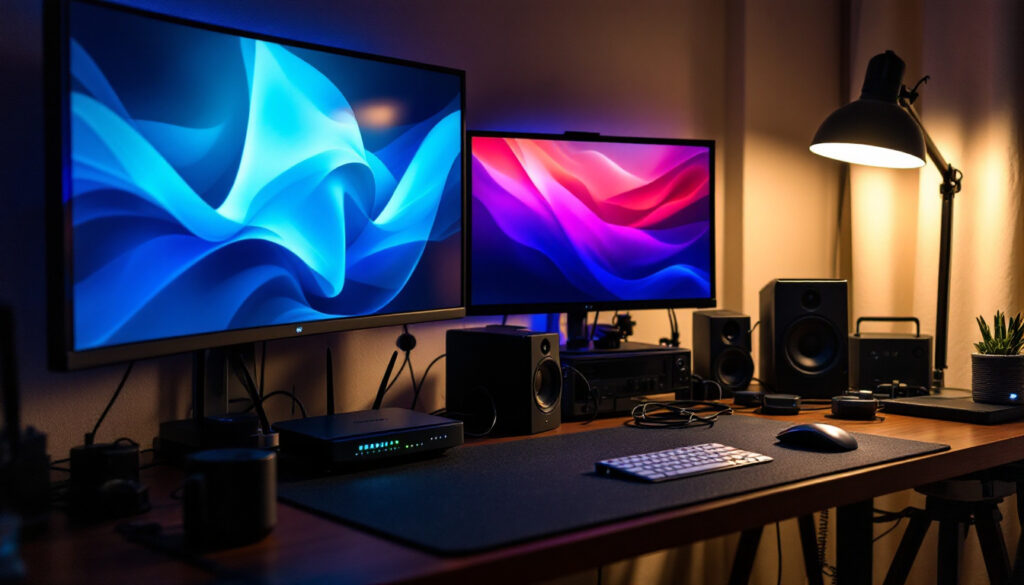
A practical look at the patterns people report when spending extended time in spaces dense with devices and wireless signals.