
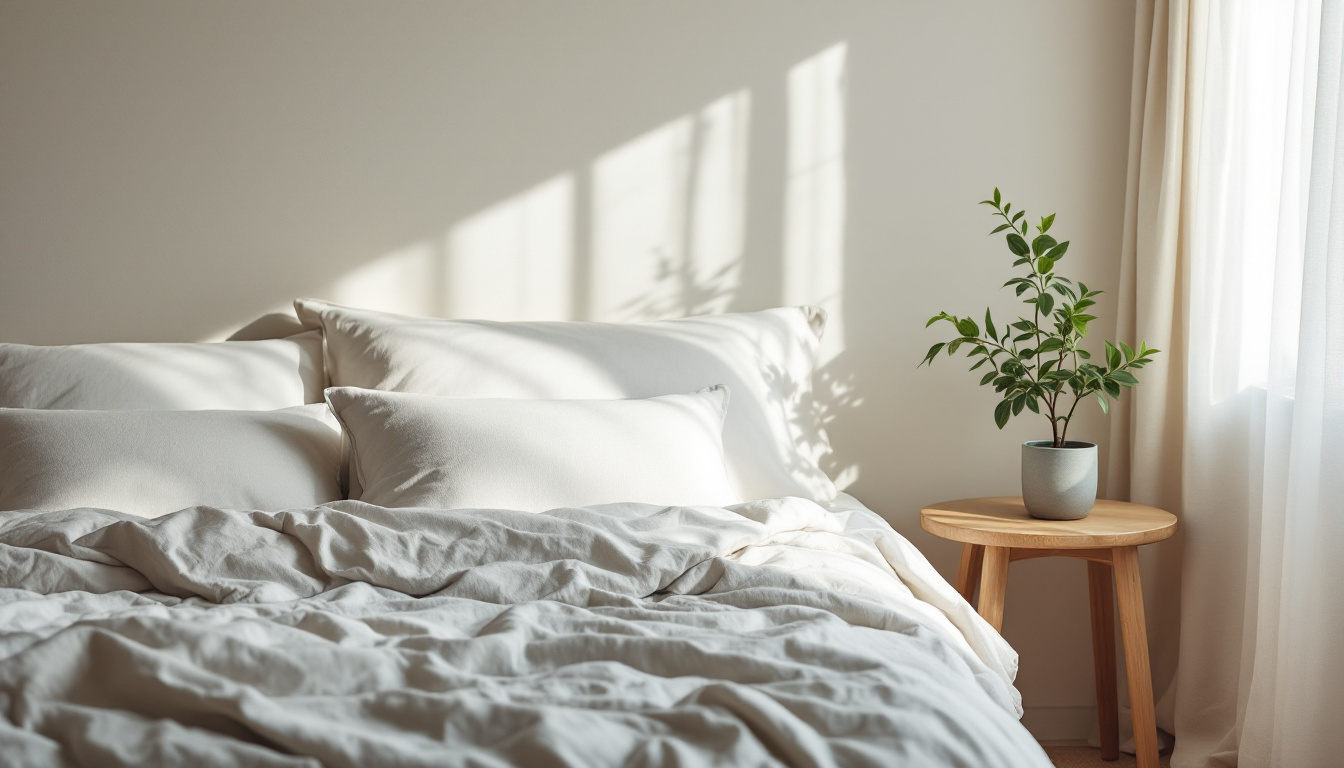

The bedroom is where the body is most vulnerable to environmental input, and most in need of genuine rest. It is also where many people have accumulated the most technology.
Making changes here tends to have a disproportionate effect on how well you sleep and how you feel when you wake up, including whether Wi-Fi is affecting your sleep in the first place.
Start With What Is Plugged In
Most people have never taken a complete inventory of what is running in their bedroom overnight.
It is worth doing. Walk around the room and note every device that is plugged in, charged, or broadcasting while you sleep. Routers, phones, tablets, smart speakers, televisions, gaming consoles, fitness trackers on the nightstand, cable boxes in standby mode.
The list is often longer than expected. If you live in a building with close neighbors, it’s also worth reading Can Living In An Apartment Increase EMF Exposure?, since some of what you’re picking up may not even be your own.
You do not have to remove everything. But knowing what is there gives you something to work with.
The Phone Question
The phone beside the bed is worth addressing directly.
Many people keep their phone there because it doubles as an alarm clock. But it also brings notifications, blue light, the temptation to check things at 3am, and a continuously broadcasting wireless radio into the space where you sleep.
A basic alarm clock costs very little and solves most of the reasons the phone is there in the first place.
People who move their phone out of the bedroom often report this as one of the higher-impact changes they have made, even when they were not expecting much from it.
The Router
Where is your router relative to where you sleep?
Many people have their router in the bedroom, or just outside it, for convenience. If there is a way to move it further away while still covering your home’s network needs, it is an easy experiment.
Turning the router off overnight is another option many people try. With Wi-Fi off, phones can still receive calls and texts over mobile networks if that matters to you.
Darkness and Light
Standby LEDs, charging lights, and even the glow of a clock display can have more effect on sleep quality than most people expect.
The eye registers light even through closed eyelids. A dark room supports the hormonal processes that regulate sleep. Harvard Health has written about how light exposure in the evening suppresses melatonin production, and the Sleep Foundation notes blue light in particular is the most disruptive wavelength for the body’s sleep signal, which is part of why blackout curtains and dimmed standby lights can make a measurable difference. Blackout curtains, covering standby lights with tape, and keeping screens off are all changes worth trying.
What The Calmer Bedroom Looks Like in Practice
The changes that tend to matter most are simpler than people expect:
- Phone out of the room, or at least across the room and face-down
- Router off or moved further away
- Screens off at least thirty minutes before sleep
- Room as dark as practical
- Temperature on the cooler side
None of this requires purchasing anything. Most of it is subtraction rather than addition.
A Note on Experimentation
The goal is not to match someone else’s ideal bedroom. It is to find out what actually affects your sleep. The same logic applies if you’ve noticed you sleep better in some places than others; the difference is usually specific, not general.
The most useful approach is to change one thing at a time and observe consistently for at least a week before drawing conclusions. Changing everything at once makes it impossible to know what made the difference.
Frequently Asked Questions
Most sleep research points to somewhere around 60-67°F (15-19°C) as the sweet spot for most adults, on the cooler side of what feels comfortable while awake. Personal preference varies, so treat that as a starting range rather than a rule. If you want to go further and explore removing devices from the bedroom entirely rather than just adjusting the room, Why Do Some People Prefer Device-Free Bedrooms? covers what people report from that fuller version of the experiment.
The screen light, particularly in the hour before sleep, can affect how quickly you fall asleep. Whether it matters significantly depends on your individual sleep patterns and how you use it.
You can still make changes on your side. Moving your own phone, changing your side of the room, and addressing what you can control is a reasonable starting point.
Moving the phone out of the room is usually the fastest to show something, often the very first night, just from removing one light source and one temptation to check it. Router changes and darkness adjustments tend to show up more gradually, over several nights, because they affect sleep architecture rather than just pre-sleep habits.