
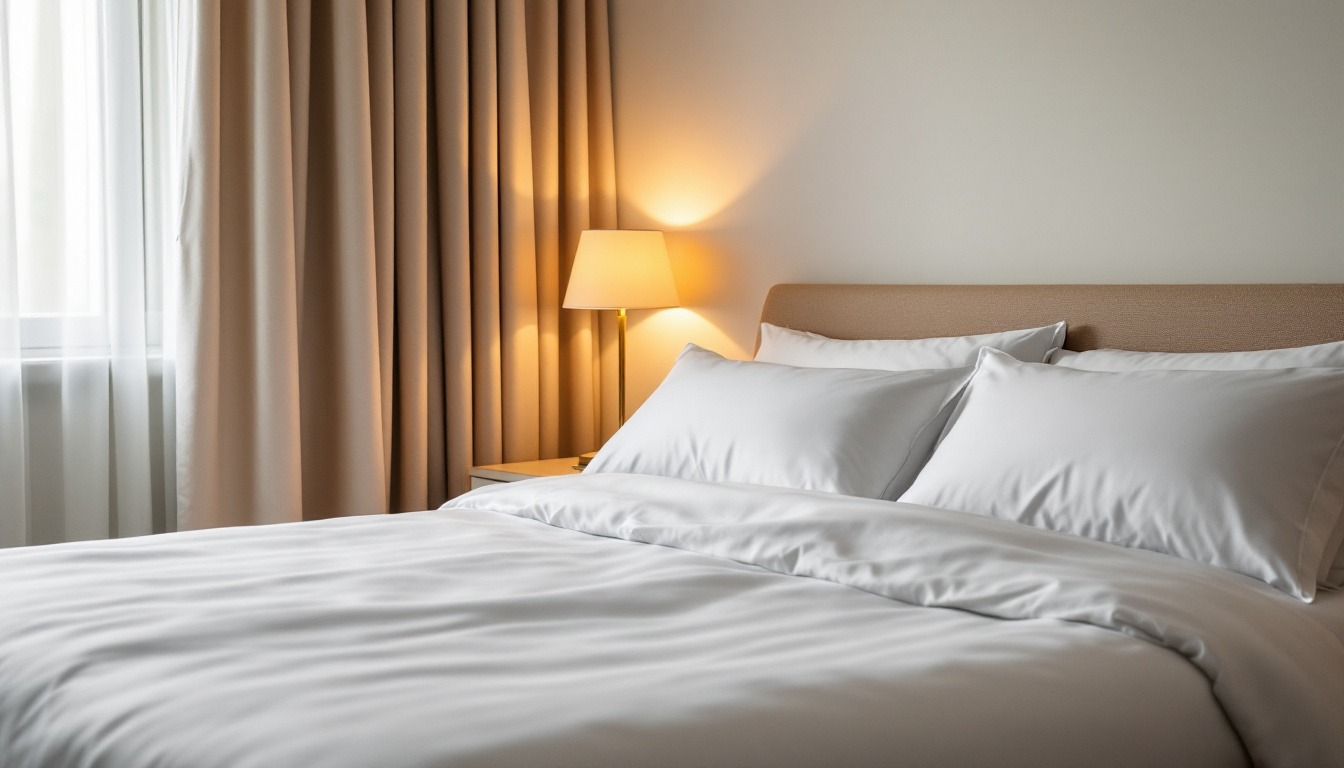

Most people have experienced it. A night away from home, in a hotel or a friend’s spare room, and they wake up feeling more rested than they have in weeks.
The instinct is often to attribute it to the vacation effect, or the unfamiliar bed, or the lack of work obligations. Sometimes those explanations are right. But sometimes the pattern is more specific than that, and it is worth paying closer attention to what is actually different — the same way it’s worth asking why you feel better generally when you leave home.
What Changes When You Sleep Somewhere Else
When you sleep in a different place, more changes than just the mattress.
The light environment is different. Curtains that block more or less light, different streetlight exposure, different orientation relative to where the sun rises.
The noise environment is different. A quieter street, different building sounds, no familiar hum from appliances you have stopped noticing at home.
The temperature is different. Hotel rooms are often kept cooler than most people keep their homes, and cooler temperatures tend to support sleep.
The technology environment is different. Fewer devices. No familiar router. No cables running under the bed. Often, people are less likely to have their phone on the nightstand when they travel — see Can Wi-Fi Affect Sleep? for more on this angle. Harvard Health has noted that light from screens in the evening can suppress melatonin and delay sleep onset, and the Sleep Foundation points to blue light specifically as the wavelength most likely to interfere with that process, which may partly explain why a phone-free night away from home feels different.
The stress context is different. Away from home often means away from the ambient pressure of ordinary responsibilities. That psychological shift has real physiological effects.
The routine is different. Different meal times, different activity levels, different exposure to natural light during the day.
Any one of these could account for better sleep. Often it is a combination of several.
The Environment Hypothesis
Some people notice that better sleep away from home correlates specifically with places that have simpler technology environments.
A family member’s house with an older router and fewer smart devices. A rural rental with spotty coverage and no smart home features. A camping trip with no wireless anything. If you live in a dense building, this is also worth reading alongside Can Living In An Apartment Increase EMF Exposure?.
When the pattern is specific to simpler or less connected environments rather than just unfamiliar ones, that observation becomes more interesting.
Why It Is Hard to Know for Certain
The challenge with this kind of observation is that almost everything changes at once when you travel. It is genuinely difficult to isolate which variable is responsible.
That difficulty does not make the observation less valid. It just means the next step is to pay closer attention.
How to Use This Information
If you sleep better away from home consistently, here are some questions worth sitting with:
- Where, specifically, do you sleep best? Is there a pattern to those places?
- What is the bedroom environment like in those places compared to your own?
- When you return home, how quickly does the worse sleep pattern resume? Day one, or does it take a few days?
- Is there one feature of your bedroom that seems different from the places you sleep well?
The answers are more useful than any general advice, because they point toward your specific environment rather than a generic recommendation. Once you’ve identified what’s different, How Can I Create A Calmer Bedroom Environment? walks through how to recreate it at home.
Frequently Asked Questions
Possibly. Novelty can improve sleep in the short term. But when people consistently sleep better in particular kinds of environments over many different trips, novelty alone does not account for it.
The sleep-related effects of reduced stress may matter a great deal. Vacation travel tends to reduce psychological pressure more than work travel does, which may account for some of the difference.
Alcohol can make it easier to fall asleep initially but tends to reduce sleep quality overall. If the better sleep involves waking less frequently and feeling genuinely rested, alcohol is unlikely to explain it.
That is exactly the right instinct. Start with what is most different and most replicable. If you slept well in a darker, quieter room with no phone on the nightstand, try recreating those conditions at home first — see How Can I Create A Calmer Bedroom Environment? for specifics.